

Air Conditioning Systems: Installation and Service Guide

Güncelleme tarihi: 12 May
Air conditioning systems are essential for maintaining comfort in homes and businesses, especially during the sweltering summer months. Understanding how these systems work, how to install them, and how to maintain them can save you time, money, and stress. This guide will walk you through the key aspects of air conditioning systems, from installation to service, ensuring you have the knowledge to keep your environment cool and comfortable.
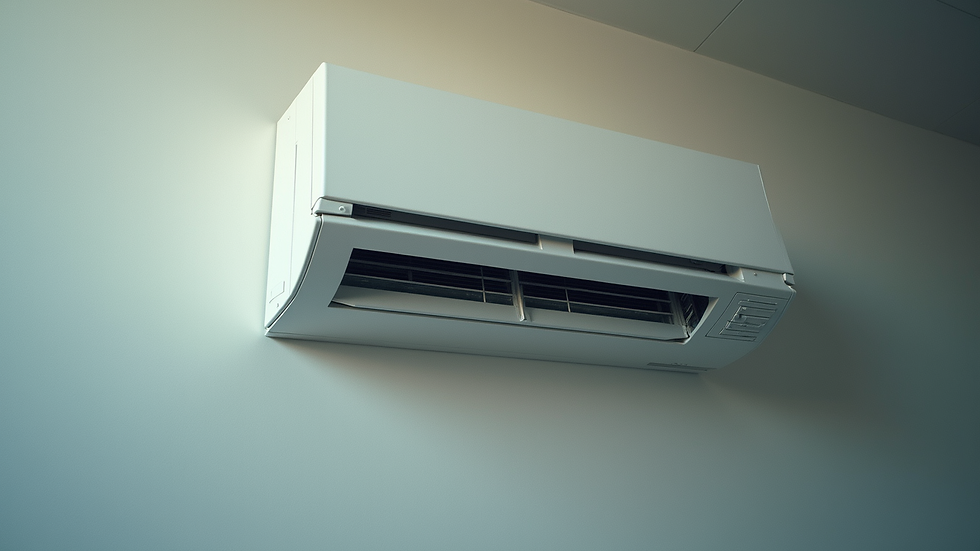
Understanding Air Conditioning Systems
Air conditioning systems work by removing heat and humidity from the air inside a building, providing a cooler and more comfortable environment. The main components of an air conditioning system include:
Compressor: This is the heart of the system, responsible for circulating refrigerant through the system.
Condenser: Located outside, the condenser releases heat absorbed from the indoor air.
Evaporator: This component absorbs heat from the indoor air, cooling it down before it is circulated back into the space.
Expansion Valve: This regulates the flow of refrigerant into the evaporator.
Types of Air Conditioning Systems
There are several types of air conditioning systems available, each suited for different needs and spaces:
Central Air Conditioning: Ideal for larger homes, this system uses ductwork to distribute cool air throughout the building.
Ductless Mini-Split Systems: These systems are perfect for homes without ductwork and allow for individual room temperature control.
Window Units: A cost-effective solution for cooling single rooms, window units are easy to install and remove.
Portable Air Conditioners: These units can be moved from room to room, providing flexibility in cooling.
Installation of Air Conditioning Systems
Installing an air conditioning system can be a complex process, but with the right knowledge and tools, it can be done effectively. Here’s a step-by-step guide to help you through the installation process.
Step 1: Choose the Right System
Before installation, assess your space and determine which type of air conditioning system is best suited for your needs. Consider factors such as the size of the area, insulation, and your budget.
Step 2: Gather Necessary Tools and Materials
You will need the following tools and materials for installation:
Screwdriver
Wrench set
Level
Drill
Refrigerant
Electrical wiring
Mounting brackets (if applicable)
Step 3: Prepare the Installation Site
Ensure the installation site is clean and free of debris. For window units, measure the window dimensions to ensure a proper fit. For central systems, ensure there is adequate space for ductwork.
Step 4: Install the Indoor Unit
For ductless systems, mount the indoor unit on the wall, ensuring it is level. Connect the refrigerant lines and electrical wiring according to the manufacturer’s instructions.
Step 5: Install the Outdoor Unit
Position the outdoor unit on a stable surface, ensuring it is at least a few inches off the ground for proper airflow. Connect the refrigerant lines and electrical wiring, following the manufacturer’s guidelines.
Step 6: Test the System
Once everything is connected, turn on the system and check for any leaks or issues. Ensure the air is cooling effectively and that the system is operating quietly.
Regular Maintenance of Air Conditioning Systems
Proper maintenance is crucial for the longevity and efficiency of your air conditioning system. Here are some essential maintenance tips:
Change Filters Regularly
Dirty filters can restrict airflow and reduce efficiency. Check and replace filters every 1-3 months, depending on usage and the type of filter.
Clean the Coils
Dust and debris can accumulate on the evaporator and condenser coils, reducing efficiency. Clean the coils at least once a year to ensure optimal performance.
Check Refrigerant Levels
Low refrigerant levels can indicate a leak, which can lead to system failure. Have a professional check and refill refrigerant levels as needed.
Inspect Ductwork
For central air systems, inspect ductwork for leaks or blockages. Sealing leaks can improve efficiency and reduce energy costs.
Schedule Professional Maintenance
Consider scheduling annual maintenance with a professional technician. They can perform a thorough inspection, clean components, and identify potential issues before they become major problems.
Troubleshooting Common Air Conditioning Issues
Even with regular maintenance, air conditioning systems can encounter problems. Here are some common issues and how to troubleshoot them:
System Not Cooling
If your air conditioning system is not cooling effectively, check the following:
Thermostat Settings: Ensure the thermostat is set to the desired temperature and is functioning correctly.
Dirty Filters: Replace or clean filters if they are dirty.
Refrigerant Levels: Low refrigerant levels may require professional assistance to refill.
Strange Noises
Unusual noises can indicate a problem with the system. Common sounds include:
Hissing: This may indicate a refrigerant leak.
Banging: Loose components or debris in the fan can cause banging noises.
Squealing: This may indicate a problem with the fan or motor.
Frequent Cycling
If the system turns on and off frequently, it may be due to:
Incorrect Thermostat Settings: Ensure the thermostat is set correctly.
Dirty Coils: Clean the coils to improve efficiency.
Oversized System: An oversized unit may cool too quickly and cycle frequently.
Conclusion
Understanding air conditioning systems, from installation to maintenance, is essential for ensuring a comfortable environment. By following the steps outlined in this guide, you can effectively install and maintain your air conditioning system, keeping your space cool and enjoyable. Remember to stay proactive with maintenance and address any issues promptly to extend the life of your system.
Take the first step today by assessing your air conditioning needs and considering a professional installation or maintenance service. Your comfort is worth it!


Yorumlar